
The Price of Plain Truth
An ordinary notebook made from elephant dung revealed an uncomfortable truth: we say we value honesty, yet often reject it when it arrives unpolished.
Mohammad Danish
3/28/20263 min read
“Honesty is a very expensive gift. Don’t expect it from cheap people.” — Warren Buffett
A small encounter with an ordinary notebook recently forced me to reconsider how strangely we treat honesty.
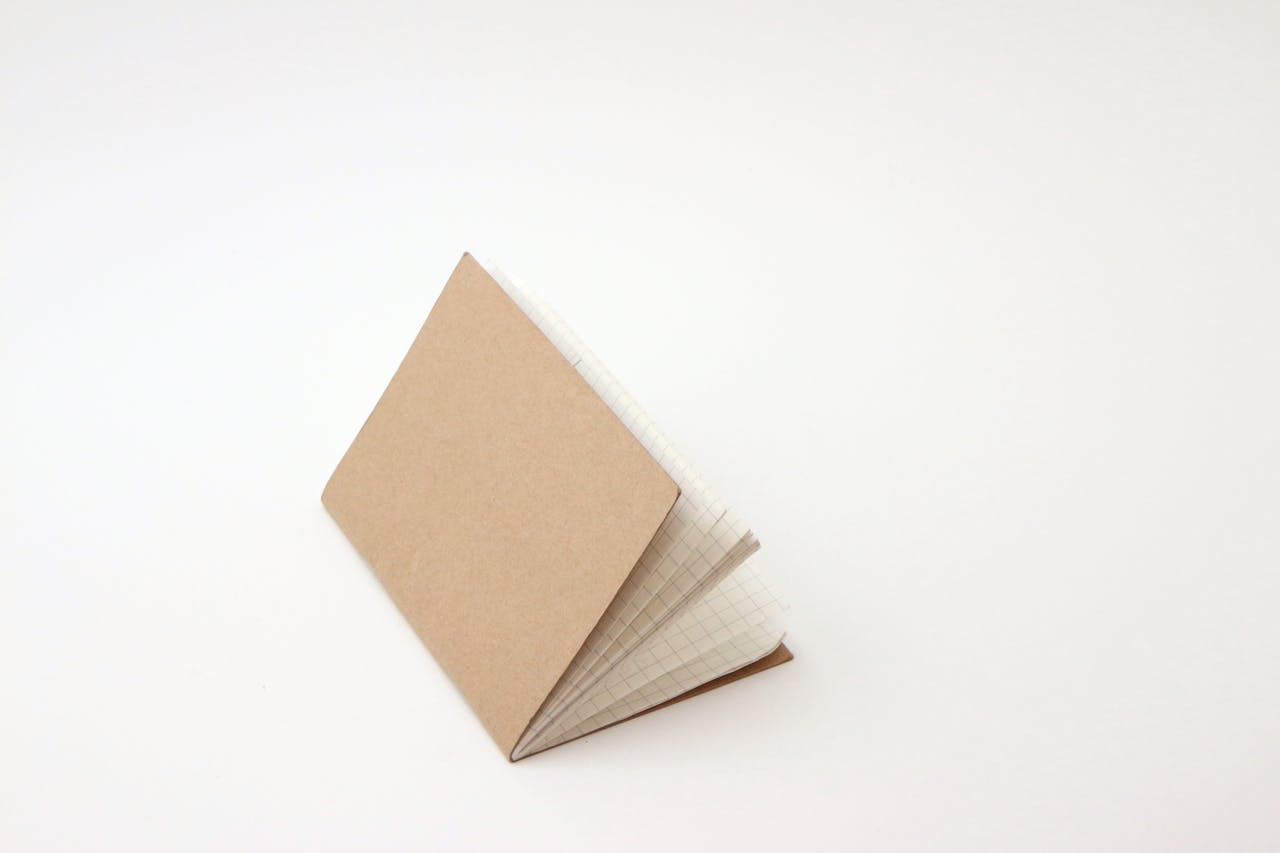
A friend of mine showed a notepad. The paper had a natural texture, slightly rough yet elegant, the kind of product that quietly signals sustainability. I turned it over and read the manufacturer’s note printed on the back.
It explained that the paper was made from elephant poop collected in Indonesia.
My mind interpreted the phrase instantly and literally. I imagined the notebook being made from elephant waste, and my reaction was immediate: I disliked the idea. Without thinking much further, I placed the notebook back and moved on. The product lost its appeal in seconds.
Later, the moment returned to me, and with it came a realization that was both humbling and revealing. The phrase almost certainly referred to elephant dung paper, a well-known eco-friendly process in which fibers from elephant dung are cleaned, processed, and turned into paper. Elephants consume enormous quantities of plant material, and much of that fiber passes through their digestive system intact. Instead of discarding it, artisans recover those fibers and transform them into usable paper. What initially sounded unpleasant was actually a clever example of sustainable recycling.
But the real lesson was not about paper. It was about honesty.
The manufacturer had simply told the truth. They did not disguise the process with fashionable marketing language or soften it with poetic descriptions like “botanical pulp” or “heritage forest fiber.” They wrote exactly what the product was made from and where it came from. Their honesty was plain, direct, and unembellished.
And my immediate response was rejection.
That moment revealed something subtle about human nature: honesty often suffers because it is honest. We claim to admire truth, yet we respond far more comfortably to truth that has been carefully polished. In modern communication, presentation frequently outruns reality. Words are softened, facts are dressed up, and ordinary things are given glamorous descriptions so they feel easier to accept.
A tiny apartment becomes “compact urban living.” A delay becomes “a minor scheduling adjustment.” Cheap materials become “lightweight engineered polymers.” We have become so accustomed to this linguistic polishing that plain truth sometimes sounds harsh simply because it lacks decoration. If that notebook had described its paper as “sustainably recycled natural fibers from Indonesian wildlife habitats,” I might have admired it immediately. The reality would have been identical, but the language would have made it more palatable. Instead, the manufacturer chose clarity over charm.
This small incident reflects a larger pattern in everyday life. Honest people often face resistance not because they are wrong, but because truth can be uncomfortable. In workplaces, the person who identifies a problem is labelled negative. In friendships, sincere feedback is mistaken for bluntness. In leadership, pleasant ambiguity is often preferred over difficult clarity. Ironically, society praises honesty in principle while quietly rewarding diplomacy in practice.
What I eventually appreciated about that notebook was the integrity behind the manufacturer’s words. They trusted the customer with the truth. They chose transparency over persuasion. That choice takes courage, because honesty carries risk. Some people will misunderstand it. Some will reject it. Some will react exactly as I did. Yet honesty creates something far more valuable than a pleasant first impression: trust. When someone speaks plainly, even when the truth may sound unusual, it signals authenticity. It shows respect for the listener’s intelligence and a refusal to manipulate perception with clever language.
That simple notebook left me with an unexpected reminder.
Honesty rarely arrives wrapped in attractive packaging.
It often appears plain, direct, and slightly uncomfortable. But perhaps the next time we encounter unfiltered truth in a product description, a conversation, or a piece of advice, we should pause before dismissing it.
Sometimes the problem is not the truth. Sometimes the problem is that we have become too comfortable with things that merely sound better than they are.
Journey well taken
Sharing life insights on marketing and motorcycling adventures.
Connect
contact@danishspeaks.com
© 2025. All rights reserved.