
Practical marketing lessons from the real world — beyond what textbooks teach.
Marketing is not only about frameworks, funnels, segmentation, positioning, branding, advertising, or digital campaigns. Those are important, but they are only the starting point. Real marketing begins when a plan meets the market, when a campaign meets sales pressure, when a brand promise meets customer hesitation, and when a young manager discovers that textbook answers rarely survive unchanged in the real world.
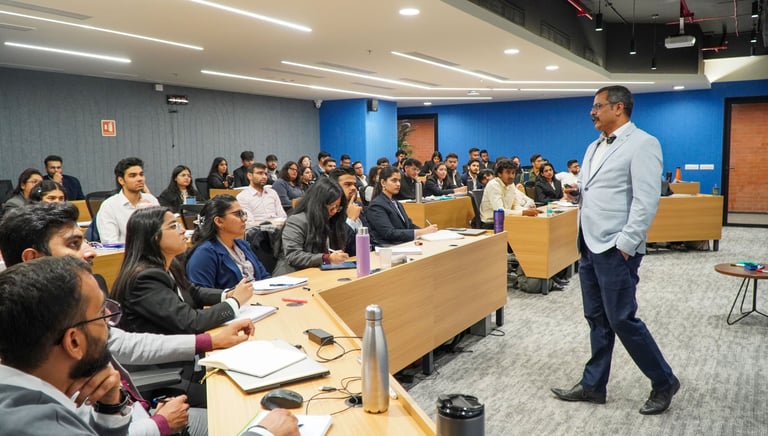
I speak to management students, young marketers, and future business leaders about the practical side of marketing — the side that is usually not taught in books, but is learned through experience, mistakes, experiments, market visits, campaign failures, sales conversations, channel conflicts, budget constraints, leadership expectations, and customer behaviour.
With more than two decades of experience across sales, marketing, channel partner marketing, field marketing, campaign execution, demand generation, B2B marketing, partner ecosystems, product launches, and regional marketing leadership, I bring students closer to the real business situations they will face after college.
My sessions are designed to help students understand not just what marketing is, but how marketing actually works when targets, teams, markets, customers, channels, and budgets are involved

Why this matters for future managers
Management education gives students strong theoretical foundations. But many students enter the corporate world without fully understanding the practical challenges behind marketing execution.
They may know the 4Ps, STP, branding models, customer journeys, and campaign metrics. But they may not know what happens when sales rejects marketing leads, when a channel partner does not execute a campaign properly, when a product launch has limited budget, when a regional campaign must work across multiple cultures, when the customer does not respond as expected, or when leadership asks for pipeline contribution instead of vanity metrics.
This is where experience becomes the missing classroom.
My talks bridge the gap between academic marketing and practical marketing by sharing real-world insights from corporate life, field execution, partner marketing, campaign planning, customer engagement, and leadership decision-making.
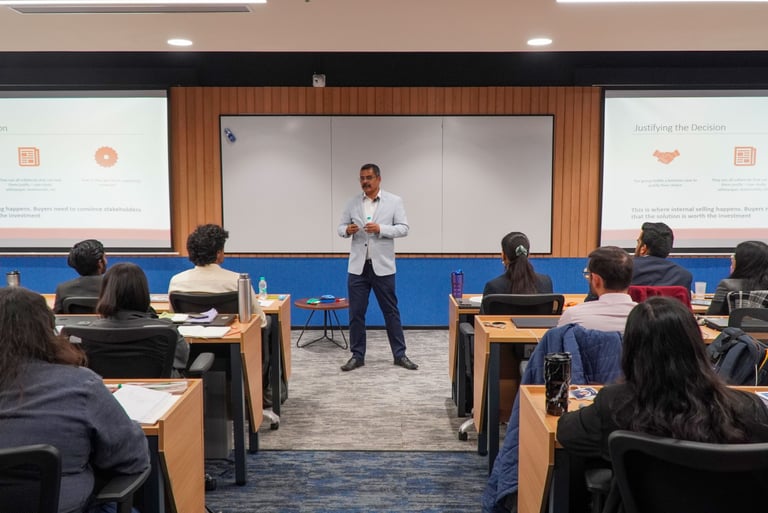

What I usually speak about
Marketing books explain principles. Corporate life teaches consequences. This session helps students understand the realities behind marketing decisions, including internal approvals, sales alignment, campaign pressure, limited budgets, customer indifference, market timing, and execution discipline.
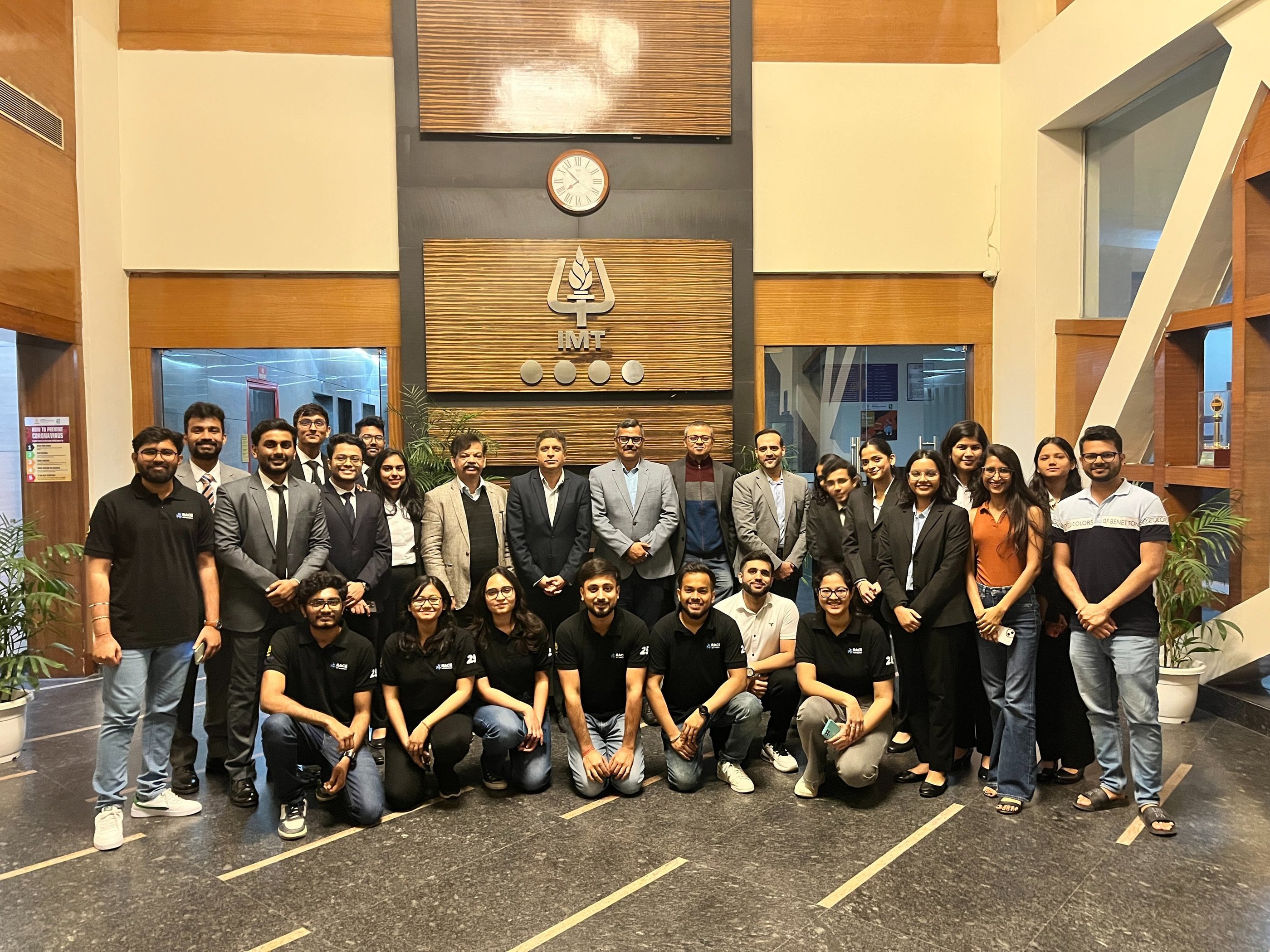
What Marketing Books Don’t Teach You
From Classroom Marketing to Corporate Marketing
Students learn how marketing changes when it moves from case studies to live business situations. The session explains how marketers work with sales teams, product teams, agencies, channel partners, leadership teams, and customers.
Demand generation is not simply running ads or collecting leads. It involves audience understanding, messaging, targeting, landing pages, follow-up discipline, lead qualification, sales acceptance, nurturing, conversion tracking, and pipeline accountability.
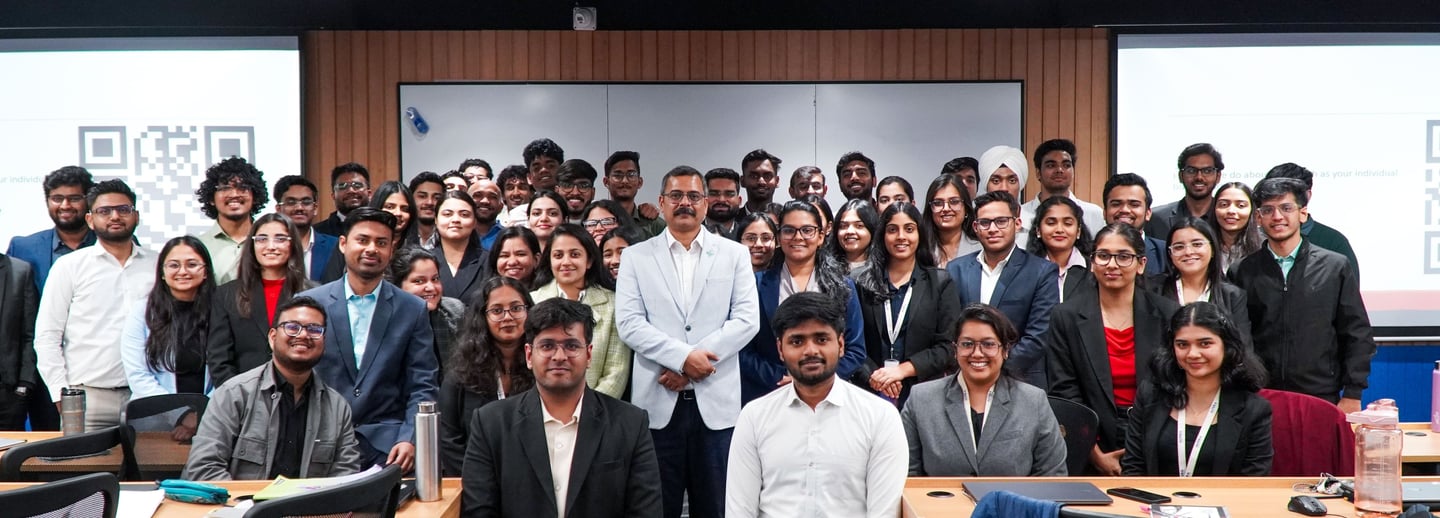
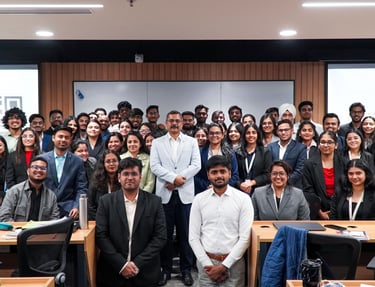
The Hidden Challenges of Demand Generation
Channel Partner Marketing in the Real World
Many students understand brand marketing but rarely understand channel ecosystems. This session explains how companies work with dealers, resellers, distributors, partners, and regional teams to generate demand and protect brand consistency at scale.
A campaign can fail because of weak messaging, wrong timing, poor targeting, internal misalignment, sales neglect, bad creative, poor landing pages, slow follow-up, unrealistic goals, or lack of local market understanding. Students learn how to diagnose campaign failure like professionals.
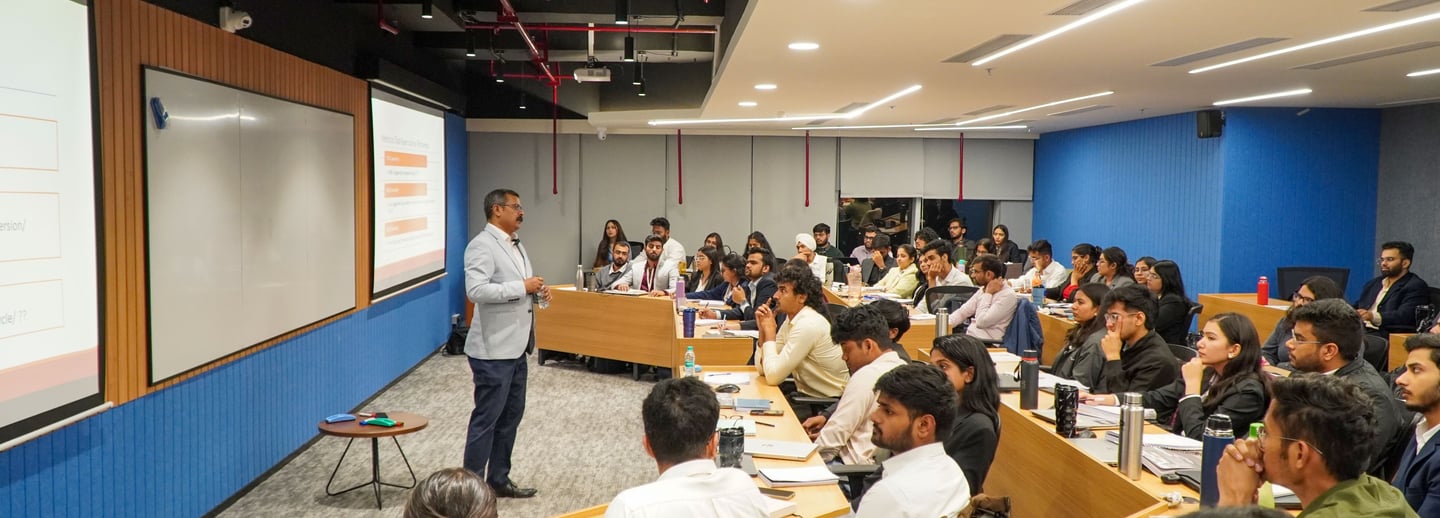

Why Campaigns Fail Despite Good Strategy
Marketing Metrics That Actually Matter
The session explains the difference between activity metrics and business metrics. Students learn why likes, impressions, and clicks are not enough, and why modern marketers must understand leads, conversion, sales acceptance, pipeline, revenue influence, acquisition cost, retention, and customer lifetime value.
Marketing is not only data and dashboards. It also requires persuasion, storytelling, stakeholder management, negotiation, agency handling, resilience, patience, and emotional intelligence. This session helps students understand the personality skills required to succeed in marketing careers.
The Human Side of Artificially Intelligent Marketing
What Students Learn
Students leave the session with a clearer understanding of how marketing works in real companies. They understand why practical execution matters as much as strategy, why sales and marketing alignment is critical, why customer behaviour often surprises marketers, and why successful marketing requires both creativity and discipline. They also learn how to think like professionals: how to ask sharper questions, how to evaluate campaigns, how to prepare for interviews, how to connect classroom concepts with business realities, and how to avoid common mistakes made by early-career marketers.
Invite Danish for a Session
If you are a management college, university, business school, student club, entrepreneurship cell, or placement committee looking for a practical marketing speaker, I would be happy to conduct a session for your students.
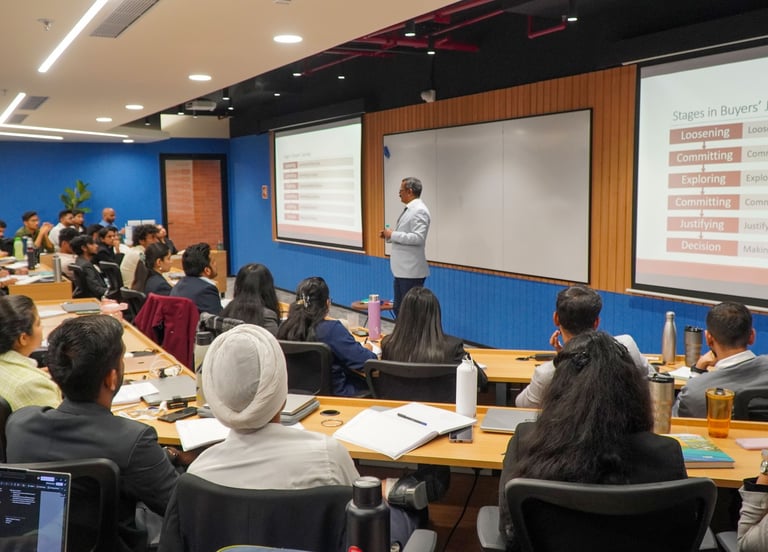
Guest Lecture
Focused 45–60 minute talks for MBA, BBA, PGDM, and marketing students.
Interactive Masterclass
90–120 minute sessions with live discussions and campaign breakdowns.
Workshop
Half-day hands-on work on real marketing problems and strategies.
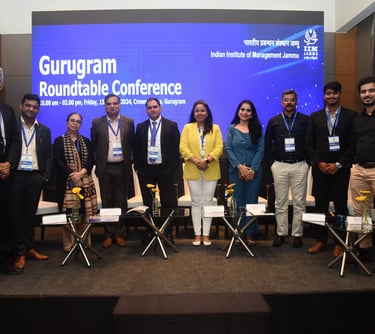

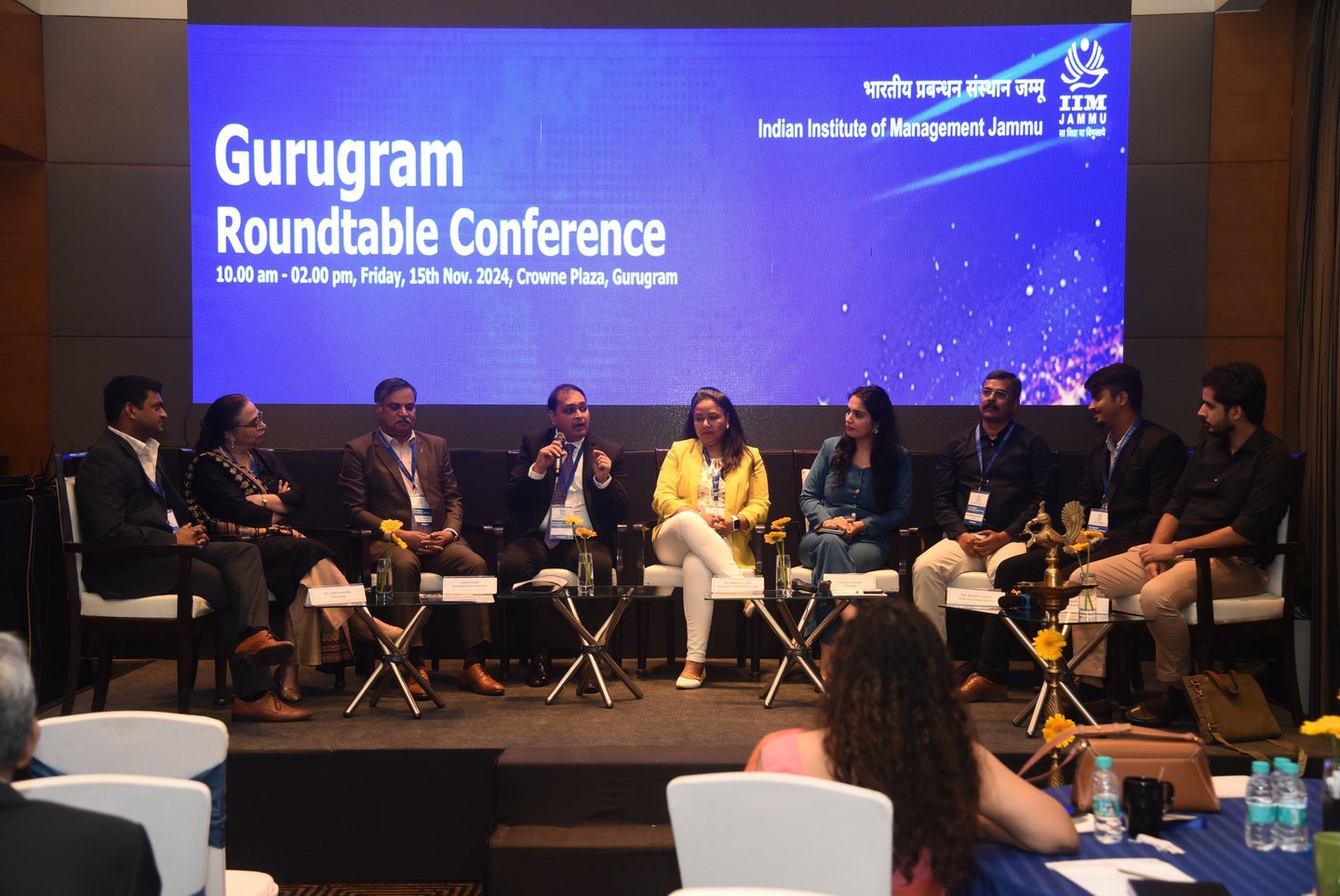
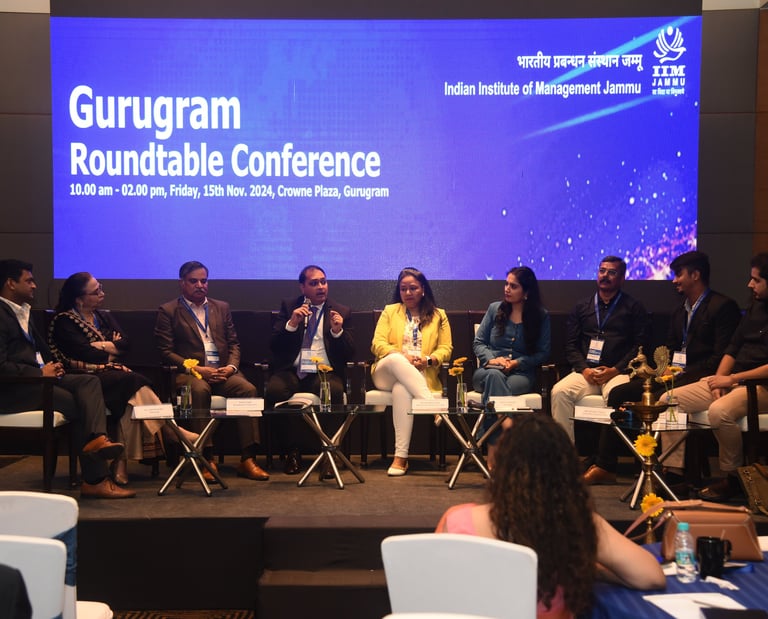
IIM Jammu
Artificial Intelligence in Marketing
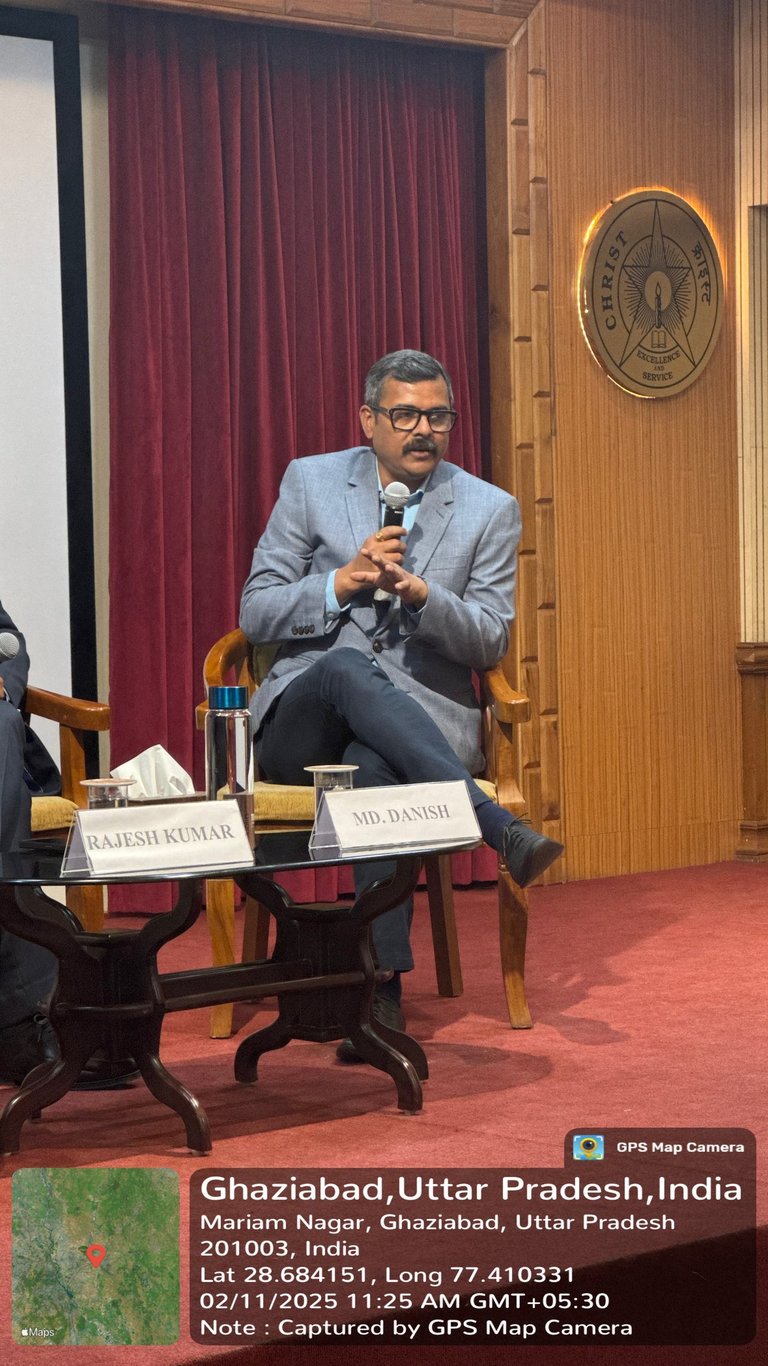
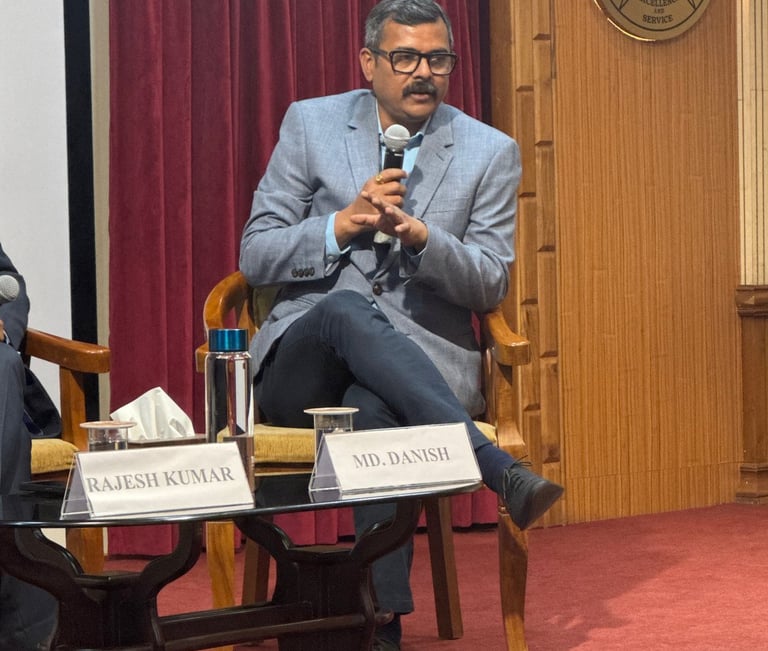
Christ College
Navigating Phygital Marketing in Today's Marketing Landscape
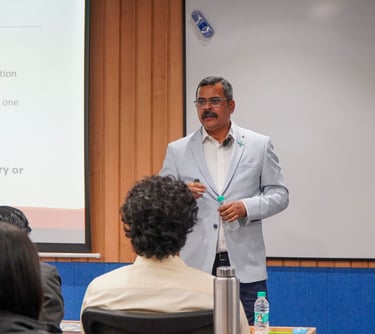
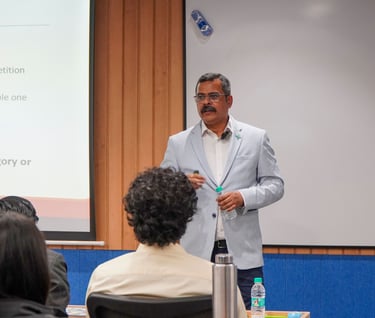
Altera Institute
Understanding B2B Buyers' Journey
Journey well taken
Sharing life insights on marketing and motorcycling adventures.
Connect
contact@danishspeaks.com
© 2025. All rights reserved.