
Men. Can and should cry
This blog explores whether men can and should cry, blending psychology, culture, and real-world examples. It highlights the biological benefits of crying, the harm of emotional suppression, shifts in sports, leadership, and media, and argues that emotional freedom — not stoicism — leads to healthier relationships and mental well-being.
Mohammad Danish
3/7/20223 min read

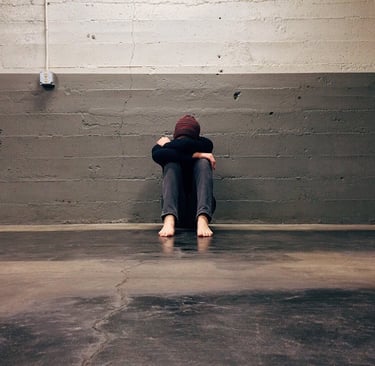
For generations, men were taught that tears were a sign of weakness — something to be hidden, suppressed, or converted into anger. Boys were raised on phrases like “man up,” “don’t cry,” or “only girls cry,” creating an emotional armor that followed them into adulthood. But science, culture, and lived experience tell a very different story: men not only can cry, but in many cases, they should. Crying is not a flaw in masculinity; it’s an essential human function that protects mental health, deepens relationships, and strengthens resilience.
Modern psychology is clear on this. A study published in Emotion (APA, 2014) found that crying helps regulate stress by releasing oxytocin and endorphins — chemicals that reduce emotional intensity and restore emotional balance. Men don’t have a different nervous system; their biology responds to tears the same way women’s does. Suppressing emotional expression increases cortisol levels, weakens emotional resilience, and contributes to higher risks of anxiety, depression, and even heart disease. The stereotype that men “shouldn’t cry” is not only outdated — it’s harmful.
Cultural expectations, however, are powerful. In many societies, especially in Asia, the Middle East, and parts of Europe, masculinity is still associated with stoicism. Yet even within these cultures, there are cracks in the old narrative. Bollywood, for example, once worshipped the “angry young man” archetype, but newer films like Dear Zindagi or Chhichhore openly discuss men’s mental health and the importance of emotional vulnerability. In sports — historically the last stronghold of “toughness” — things are changing too. When Lionel Messi cried during a press conference leaving FC Barcelona, millions of fans around the world responded not with mockery but with empathy. His tears humanized him, deepened his connection with supporters, and became one of the most shared emotional moments in football history.
Even leaders — once expected to be cold and composed — are showing vulnerability. Former U.S. President Barack Obama publicly cried while speaking about the Sandy Hook tragedy. New Zealand’s Jacinda Ardern has spoken about the role of empathy in leadership. Research from the Harvard Business Review (2020) shows that leaders who express authentic emotion are rated as more trustworthy and more approachable by their teams. Vulnerability, far from weakening authority, strengthens it.
The workplace is undergoing a similar shift. Millennials and Gen Z are far more open about mental health, creating pressure on organizations to normalize emotional expression for everyone — including men. HR studies by Deloitte and McKinsey show that employees (especially younger ones) are more engaged and loyal when leaders create psychologically safe spaces. A culture where men can express emotion without judgment helps build healthier teams, prevents burnout, and encourages honest communication.
But the idea that men “should” cry doesn’t mean they must perform emotion, nor does it mean emotional regulation disappears. Crying is not the only valid form of expression, and not all men cry naturally. Emotional authenticity matters more than the act itself. The real issue is whether society allows men to choose freely — without shame, ridicule, or guilt.
The danger lies in extremes. On one hand, suppressing all emotional expression leads to emotional isolation. On the other, glorifying vulnerability as a constant expectation risks forcing men into a performative emotionality they don’t feel. The balance lies in permission — the freedom for men to cry if they need to, without having their masculinity questioned.
It also matters where and how emotion is processed. Crying is healthiest when done in safe emotional environments — with trusted friends, partners, therapists, or even alone. What’s harmful is the idea that crying equals loss of control. In fact, crying can restore control by releasing emotional overflow before it turns into anger or self-destruction. A study in the Journal of Social and Clinical Psychology found that men who suppress emotions are significantly more likely to experience interpersonal conflict, substance abuse, and depression.
There’s also a relational side to this. Women often express that seeing their partners cry deepens intimacy. Vulnerability strengthens connection because it breaks the barrier of emotional distance. Family therapists note that children who see their fathers express healthy emotion grow up better equipped to manage their own emotional lives. When boys see men cry without shame, they learn that emotional expression is normal, not gendered.
So, can men cry? Absolutely. Should they? When emotion demands release, when stress becomes overwhelming, when grief needs acknowledgment — yes. Not because society demands it, but because the body and mind benefit from it. Crying is not a verdict on masculinity. It’s a reminder that underneath all the expectations and armor, men are human too.
The better question might be: Should society stop telling men what emotions they’re allowed to feel? Because the freedom to feel is the freedom to be whole.
APA study on crying - https://psycnet.apa.org/record/2014-36414-001
Harvard Business Review – leadership & emotion - https://hbr.org
Messi farewell press conference - https://www.youtube.com/watch?v=XTvJd7VsQtM
Journey well taken
Sharing life insights on marketing and motorcycling adventures.
Connect
contact@danishspeaks.com
© 2025. All rights reserved.