
Making the most of Point of Purchase in Retail Marketing
This blog explores how brands use Point of Purchase (POP) marketing to influence shopper decisions in the final moments before buying. With examples from Coca-Cola, Apple, IKEA, Sephora, Amazon, and supermarkets, it explains POP psychology, sensory design, behavioral nudges, and how effective POP boosts conversions and basket value.
Mohammad Danish
1/10/20233 min read
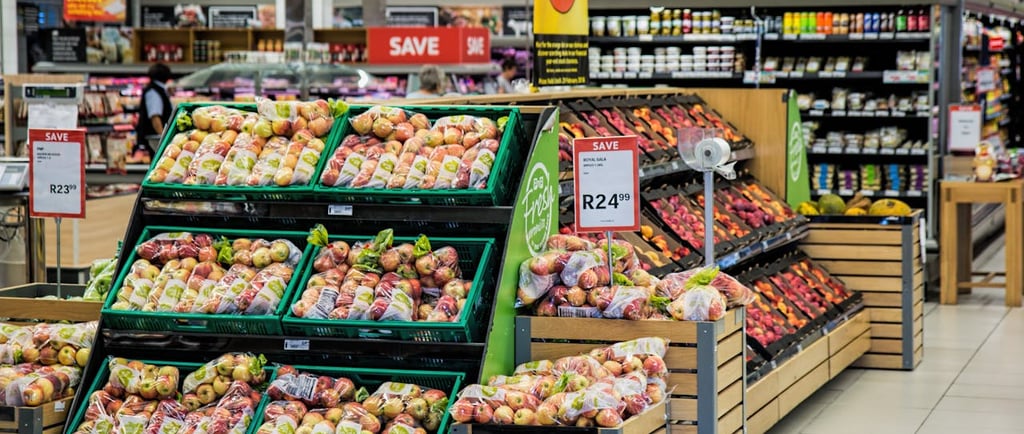
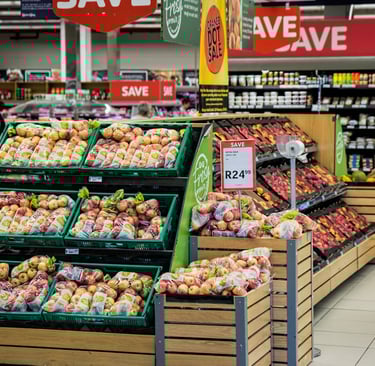
The Point of Purchase (POP) is where consumer intention turns into consumer action — the exact moment when curiosity becomes conversion. In retail, this moment is powerful because it sits at the intersection of attention, emotion, and convenience. What a shopper sees, feels, or touches within those final few seconds can influence the decision more strongly than any advertisement they saw earlier. Marketers sometimes underestimate POP because it seems simple, but in reality, it is one of the most sophisticated psychological battlegrounds in retail.
Research from POPAI (Point of Purchase Advertising International) shows that 70% of purchase decisions are made inside the store, and over 50% of FMCG purchases are impulse-driven, influenced heavily by shelf placement, displays, packaging, lighting, or sensory cues. This is why brands fight fiercely for shelf space — not just to be seen, but to guide buying behavior at the most decisive moment.
One of the strongest examples of POP mastery comes from Coca-Cola. Their iconic red refrigerators, placed near checkout counters, are not accidental. Coca-Cola’s internal shopper marketing case studies reveal that cold-placement visibility can increase single-bottle sales by 18–25% compared to ambient shelves. The placement leverages impulse, convenience, and the psychological pull of cold beverages near the point of transaction.
Apple Stores take a more experiential approach. Every device is placed in a way that the customer can touch it immediately — no plastic wraps, no barriers, no locked displays. Apple’s POP strategy focuses on sensory immersion. People don’t just see the product; they experience it before buying. This tactile engagement increases purchase likelihood dramatically — Apple Store conversion rates hover around 20–30%, one of the highest in global retail.
IKEA excels at POP by controlling the shopper’s full journey. While their maze-like layout is famous, the real magic happens at the marketplace section, where prices are displayed boldly, tactile samples are accessible, and bundled discounts are placed strategically near high-interest items. IKEA’s 2019 annual report mentioned that bundling POP offers increased average basket value by 13% in key markets.
Beauty retail is perhaps the most sophisticated playground for POP innovation. Sephora and Nykaa use lighting, sampling stations, fragrance bars, and color-coded categories to create sensory and emotional triggers. POP displays near mirrors encourage trial, and trial dramatically increases conversion. Sephora’s global merchandising team reports conversion spikes of up to 45% when testers are available in high-traffic POP zones.
Even supermarkets rely heavily on micro-interventions. Items placed at eye level receive 35% more attention than those placed above or below. Children’s cereal brands intentionally place mascots’ eyes slightly downward, so the characters appear to “look at” children at their eye level — a tactic studied in a Cornell University experiment showing that eye contact increased brand trust among kids by 28%.
Checkout zones are another powerful POP arena. The category is called “impulse merchandise” for a reason. Products like gum, chocolates, lip balms, batteries, or travel-sized cosmetics often show 3–5x higher conversion at checkout than anywhere else in the store. FMCG brands constantly compete for this zone because it captures cognitive depletion — after a decision-heavy shopping journey, shoppers have lower resistance to small additions.
Digital retail has its own version of POP. On e-commerce platforms, this appears as “Buy Now” buttons, limited-time offers, related product bundles, reviews near price tags, and scarcity cues like “Only 3 left in stock.” Amazon’s “Frequently Bought Together” and “Customers Also Bought” sections are digital POP tools designed to increase average order value. A 2020 Amazon Marketplace study showed these tactics increase conversion by up to 22% for many categories.
Restaurant chains also understand POP deeply. McDonald’s uses menu boards that highlight high-margin items with better lighting, larger images, or premium placement. Starbucks places seasonal cups, flavors, and merchandise at the counter to increase impulse purchases. Their 2021 financial report attributed more than $500 million in incremental revenue to improved in-store POP merchandising.
But POP is not just about visuals — it’s also about psychology. Scarcity cues (“limited edition”), social proof (“bestseller”), and anchoring (placing a high-priced product near a moderately priced one to make the latter feel affordable) can significantly influence decisions. Behavioral economist Richard Thaler refers to these nudges as “choice architecture,” and POP is the most direct form of it.
POP also risks overuse. Too many displays overwhelm shoppers. Poorly aligned POP can confuse rather than convince. Brands that clutter the environment lose impact because shoppers experience cognitive overload. The key is strategic restraint — clear messaging, intentional design, and intuitive flow.
The future of POP is moving toward personalization. Smart digital shelves, RFID-triggered displays, QR-linked experiences, and AI-informed layout optimization are already being tested by retailers like Walmart, Amazon Go, and Decathlon. The idea is simple: meet the shopper with exactly the right message at exactly the moment they are ready to decide.
POP is where the brand stops talking to the customer and starts speaking with the customer. It’s intimate, immediate, and immensely influential. Done well, it doesn’t just create sales — it creates satisfaction, discovery, and loyalty at the very moment the customer says “yes.”
POPAI (now Shop! Association) - https://shopassociation.org
Cornell cereal eye-contact study - https://news.cornell.edu/stories/2014/04/cereal-boxes-use-eye-contact-sell-kids
About Amazon - https://www.aboutamazon.com
Journey well taken
Sharing life insights on marketing and motorcycling adventures.
Connect
contact@danishspeaks.com
© 2025. All rights reserved.