
Journey to the End of the Road: A 7-Day Motorcycle Adventure
Ride to Ad-Kailash. A road less travelled.
Mohammad Danish
8/16/20242 min read
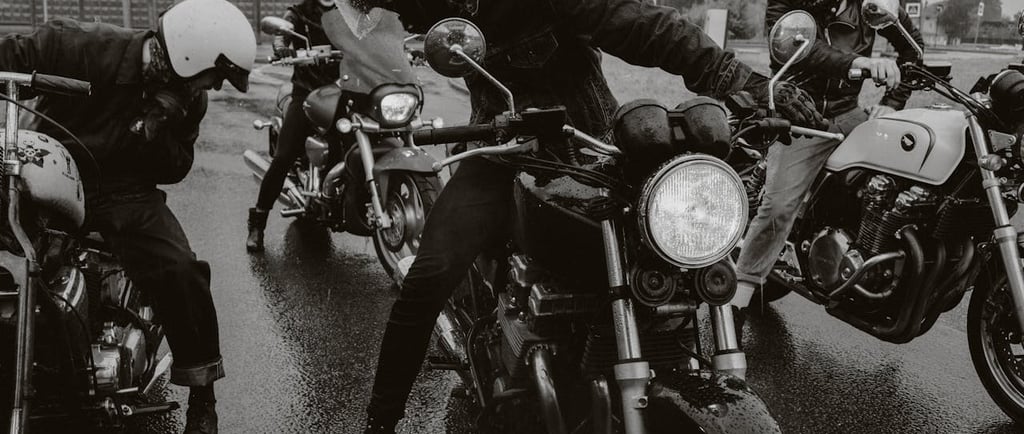
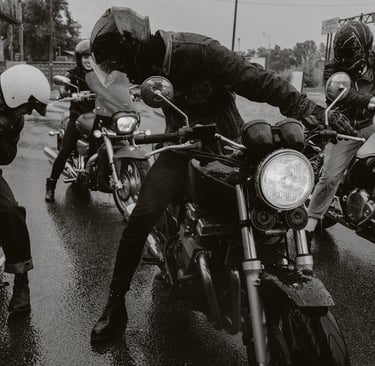
The summer had settled heavily over the plains when twenty-two motorcycles began to move as one, pointed toward Adi-Kailash and the uncertain silence of the mountains beyond. The riders came from everywhere and nowhere in particular—different professions, different lives, different reasons for saying yes to a journey that promised discomfort more than comfort. Some were in their twenties, brimming with restless energy; others carried the quiet steadiness of experience. What united them was not similarity, but intent.
From the very first morning, it was clear that this ride would demand more than skill with a throttle. Each day began with a simple ritual: a gathering before the engines came alive. Routes were discussed, risks acknowledged, expectations set. Nothing dramatic, nothing heroic—just clarity, honesty, and the reminder that no one rode alone. My role was less about direction and more about reassurance: ensuring that every rider felt seen, steady, and part of something larger than themselves.
The road tested that promise almost immediately. Weather shifted without warning. Smooth stretches dissolved into gravel, slush, and then nothing that could be honestly called a road at all. There were moments when food was a question mark and sleep an uncertain luxury. Fatigue crept in quietly, first into the body, then into the mind. Yet, somehow, the group moved forward together—waiting without being asked, adjusting pace instinctively, offering water, tools, or just a nod at the right moment.
Evenings became anchors. As darkness wrapped itself around the camps, a bonfire would flicker into life. Helmets came off, laughter found its way back, stories grew taller, songs slightly off-key. These were not grand celebrations, just shared warmth after cold days. In those moments, hierarchy dissolved. There were no leaders or followers—only tired people leaning into companionship. My own exhaustion often faded into the background; keeping the circle alive mattered more than rest.
The journey’s true test arrived on a day when distance meant isolation. A motorcycle failed in a remote stretch where help was not a phone call away. There was no panic, no raised voices. The group paused, assessed, and quietly reorganized itself. One team stayed back with the rider and the machine. Another moved ahead to secure a safe point fifty kilometers away. A third went in search of assistance. It wasn’t coordination born of instruction—it was trust in motion. Each team knew its role because the journey had already taught them how to rely on one another.
When the group finally regrouped, there was no applause, no speeches. Just relief, quiet pride, and the unspoken understanding that everyone had carried a piece of the load.
Reaching the “end of the road” came without ceremony. The path simply stopped, as if the mountains had decided that was far enough. Engines fell silent. People stood still. It wasn’t triumph that filled the air, but reflection. The road ending felt symbolic—not of limits, but of how far a shared resolve could carry a group of strangers.
Seven days later, the return was quieter. The riders went back to their individual lives, but something had shifted. They carried with them more than memories of harsh terrain and high passes. They carried the knowledge that teamwork does not announce itself loudly, that camaraderie grows in small, consistent acts, and that brotherhood is forged not in ease, but in choosing, again and again, to move forward together.
The mountains had given them a destination. The journey gave them each other.
Journey well taken
Sharing life insights on marketing and motorcycling adventures.
Connect
contact@danishspeaks.com
© 2025. All rights reserved.