
Inherent Bias in AI: Examining Cases, Reports, and Data
Artificial Intelligence (AI) has transformed various industries, promising efficiency and objectivity. However, beneath this technological marvel lies a persistent issue - inherent bias. This article delves into the profound implications of bias in AI, analyzing prominent cases and comprehensive reports to illuminate the scope and impact of this critical concern.
Mohammad Danish
1/7/20255 min read

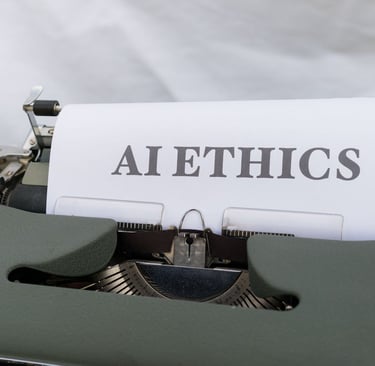
Artificial Intelligence (AI) has transformed various industries, promising efficiency and objectivity. However, beneath this technological marvel lies a persistent issue - inherent bias. This article delves into the profound implications of bias in AI, analyzing prominent cases and comprehensive reports to illuminate the scope and impact of this critical concern.
AI algorithms, often trained on biased data, can perpetuate and even amplify existing societal prejudices. This bias can manifest in different forms, including racial, gender, and socioeconomic biases, leading to discriminatory outcomes in areas such as hiring, lending, and criminal justice.
Cases and Examples:
Hiring Biases: Amazon's AI recruitment tool demonstrated bias against female candidates, reflecting the gender disparities in the tech industry and underlining the consequences of skewed training data (Amazon ditched AI recruitment software because it was biased against women | MIT Technology Review). The tool, developed by Amazon's engineers, was programmed to analyze resumes and assign scores to candidates based on certain keywords and previous successful hires within the company. In the initial stages of development, the system was trained on a dataset consisting predominantly of resumes from male candidates, reflecting the gender disparity within the tech industry. Consequently, the AI began to favor male applicants, penalizing resumes that included terms commonly associated with female candidates. The bias stemmed from the historical data the AI was trained on, perpetuating the gender gap rather than addressing it. The system penalized resumes containing words such as "women's," implying involvement in women-centric organizations or activities, and downgraded candidates from all-female colleges, ultimately disadvantaging female applicants. This biased algorithm perpetuated existing gender disparities within the tech sector, inadvertently reinforcing discriminatory hiring practices that have long plagued the industry. The revelation of Amazon's biased AI recruitment tool sparked a critical conversation around the risks associated with deploying AI systems without comprehensive safeguards against inherent biases. It underscored the importance of scrutinizing training datasets and ensuring their diversity and inclusivity to prevent discriminatory outcomes. Moreover, the case highlighted the ethical responsibilities of companies in the tech sector, emphasizing the necessity of implementing stringent guidelines and thorough audits to identify and mitigate biases within AI systems.
Facial Recognition: Several studies have highlighted the racial bias in facial recognition systems, with some software showing higher error rates for people with darker skin tones, perpetuating racial profiling and discrimination. (Why Racial Bias is Prevalent in Facial Recognition Technology - Harvard Journal of Law & Technology)
Criminal Justice: Predictive policing algorithms have exhibited racial bias, leading to the over-policing of marginalized communities and reinforcing systemic inequalities within the criminal justice system. Research has shown that certain AI-driven tools used in the criminal justice system disproportionately target and profile individuals from marginalized communities, particularly communities of color. For instance, predictive policing algorithms have been found to concentrate law enforcement efforts in low-income neighborhoods, leading to over-policing and the disproportionate surveillance of minority groups. This over-reliance on biased data perpetuates existing social inequalities and reinforces the cycle of discrimination within the criminal justice system. (Predictive policing algorithms are racist. They need to be dismantled. | MIT Technology Review)
Moreover, studies have revealed the prevalence of racial bias in sentencing recommendations generated by AI-driven systems. These tools, designed to aid judges in determining appropriate sentences, have been found to disproportionately recommend harsher sentences for individuals belonging to racial minority groups, perpetuating the racial disparities prevalent in the criminal justice system. Similarly, risk assessment tools used to evaluate the likelihood of reoffending often incorporate biased data, leading to the overestimation of the risk posed by certain demographics, particularly individuals from marginalized communities. The consequences of biased AI in the criminal justice system are far-reaching, contributing to the perpetuation of systemic injustices and the disproportionate incarceration of individuals from marginalized backgrounds. Studies have highlighted the disparity in incarceration rates, illustrating how individuals from racial minority groups are more likely to be arrested, charged, and sentenced compared to their white counterparts for similar offenses. This discriminatory treatment not only undermines the principles of fairness and equality but also perpetuates the cycle of socioeconomic disadvantage and racial discrimination within communities.
Analysis of Reports and Studies:
The Algorithmic Justice League's "Gender Shades" study revealed the racial and gender biases in commercial AI systems, emphasizing the urgent need for diverse and representative datasets to mitigate discriminatory outcomes.
The National Institute of Standards and Technology (NIST) conducted an extensive evaluation of facial recognition software, uncovering significant performance discrepancies across various demographic groups, calling for enhanced accountability and regulation in AI development.
The European Union's report on AI and fundamental rights emphasized the necessity of transparent AI systems, advocating for ethical guidelines and regulatory frameworks to address the challenges of bias and discrimination in AI applications.
Research indicates that biased AI not only perpetuates societal inequalities but also hinders technological progress. Reports highlight the urgent need for comprehensive data collection, diverse training datasets, and robust algorithmic auditing to minimize bias and ensure equitable outcomes in AI-driven decision-making processes.
It is noteworthy to visit the Netflix's documentary, 'Coded Bias' to understand this better.
"Coded Bias," a documentary by filmmaker Shalini Kantayya, serves as a compelling exposé on the inherent biases embedded within the algorithms of artificial intelligence (AI) systems and their far-reaching implications. The film sheds light on the repercussions of biased AI on society, highlighting the urgent need for ethical AI development and regulation. Through insightful interviews, real-life case studies, and expert commentary, "Coded Bias" presents a thought-provoking narrative that challenges the assumptions of technological neutrality and prompts critical reflections on the role of AI in shaping our collective future.
The documentary delves into the groundbreaking research of Joy Buolamwini, an MIT Media Lab researcher and founder of the Algorithmic Justice League, who discovered racial and gender bias in facial recognition software. Buolamwini's compelling journey serves as a focal point, emphasizing the profound impact of biased AI on marginalized communities. Her work underscores the significance of representation and diversity in AI development, advocating for inclusive data sets and ethical frameworks to mitigate algorithmic discrimination.
"Coded Bias" meticulously examines the implications of biased AI in various sectors, including law enforcement, employment, and education. The film highlights the dangers of automated decision-making systems that perpetuate social inequalities, leading to discriminatory outcomes and reinforcing existing biases. Through powerful testimonials and expert insights, the documentary underscores the urgent need for transparent and accountable AI governance, calling for regulatory measures that prioritize fairness and accountability in AI deployment.
The documentary's nuanced exploration of the intersection between technology and social justice resonates deeply, emphasizing the importance of fostering a critical understanding of AI's impact on human lives. It prompts viewers to contemplate the ethical dimensions of AI deployment, urging policymakers, tech companies, and the general public to actively engage in discussions surrounding the ethical implications of AI development and usage.
"Coded Bias" serves as a compelling call to action, urging stakeholders to recognize the responsibility of ensuring that AI technologies serve the collective good and uphold principles of equity and justice. By spotlighting the transformative potential of inclusive AI development and the dangers of unchecked algorithmic bias, the documentary ignites a vital conversation on the importance of ethical AI practices and the imperative of building a more equitable and transparent technological landscape. As society navigates the complexities of the digital age, "Coded Bias" stands as a poignant reminder of the critical need to prioritize human rights and societal well-being in the relentless pursuit of technological innovation and advancement.
These examples serves as a cautionary tale, illustrating the potential repercussions of relying solely on AI for critical decision-making processes. It underscores the need for continuous monitoring and evaluation of AI systems to prevent the perpetuation of biases and ensure that technological advancements align with ethical and inclusive practices.
Mitigating inherent bias requires collaborative efforts from policymakers, AI developers, and the broader community. Implementing ethical standards, promoting diverse representation in AI development teams, and fostering inclusive data collection practices are essential steps toward creating fair and accountable AI systems.
In the pursuit of technological advancement, the recognition and mitigation of inherent bias in AI are paramount. By acknowledging the far-reaching consequences of biased AI systems and leveraging insights from comprehensive studies and reports, we can foster an AI landscape that upholds principles of equity, fairness, and social justice, thereby paving the way for a more inclusive and responsible technological future.
Journey well taken
Sharing life insights on marketing and motorcycling adventures.
Connect
contact@danishspeaks.com
© 2025. All rights reserved.